How to Render Beef Tallow (From Bone Broth or Beef Fat)

Learn how to render beef tallow with this simple, step-by-step guide! I'll show you how to make tallow either by saving the fat from beef bone broth (wet render method), or by using beef fat trimmings or suet (dry render method). You'll end up with beef tallow that is pure, odourless, and can be used for cooking, baking, skincare, cast iron care, soapmaking and more!
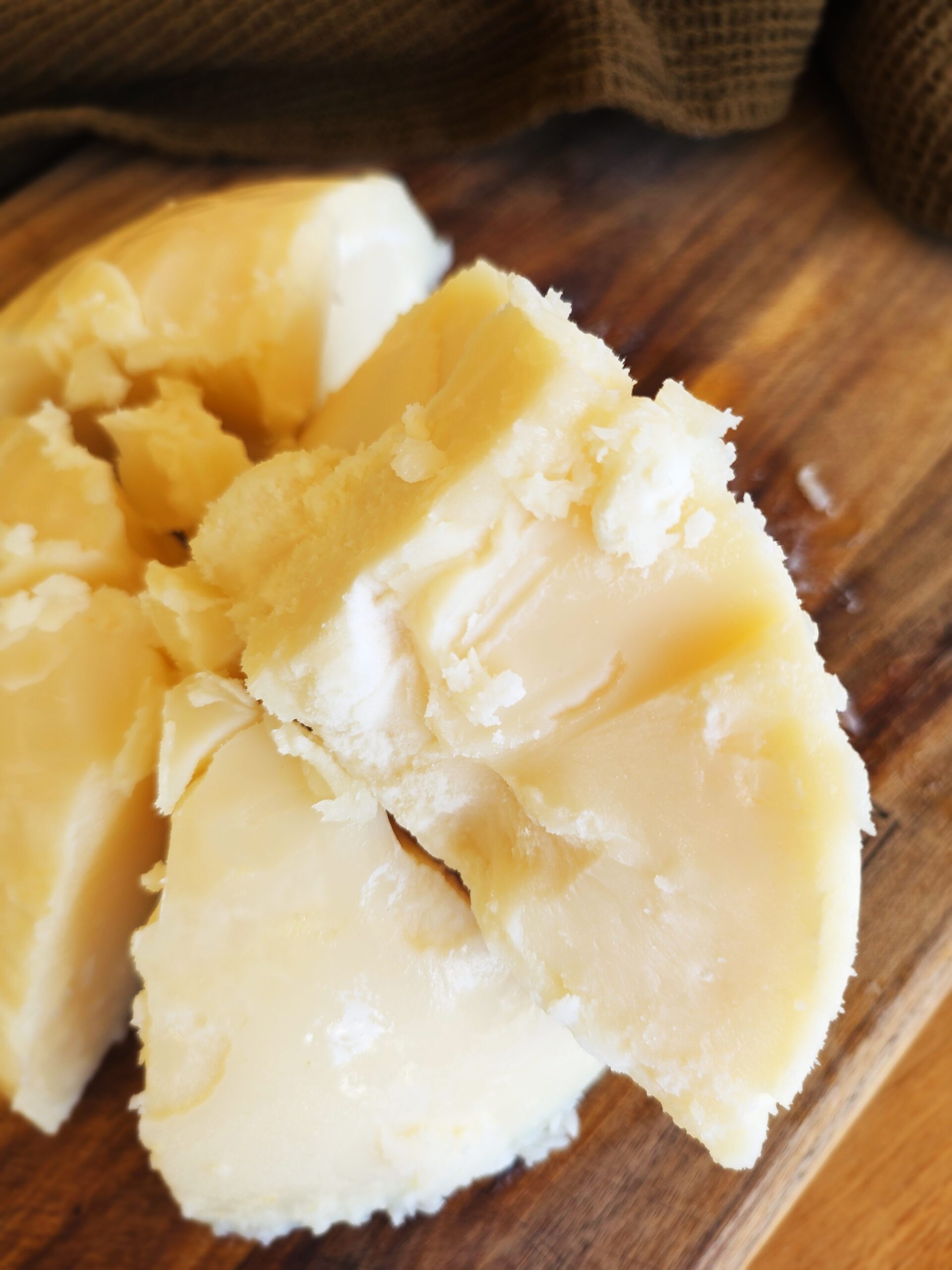
Is Beef Tallow Healthy?
Yes, beef tallow is one of the healthiest fats you can cook with! Beef tallow is full of fat-soluble vitamins (A, D, E, and K) as well as choline and conjugated linoleic acid (CLA). It's a stable, saturated fat that's highly resistant to oxidisation and becoming rancid, unlike seed or vegetable oils. Beef tallow also has a high smoke point (200-250°C/390-480°F), making it perfect for roasting, searing, deep-frying, or any high-temperature cooking!
Grass-Fed vs Grain-Fed Beef Tallow
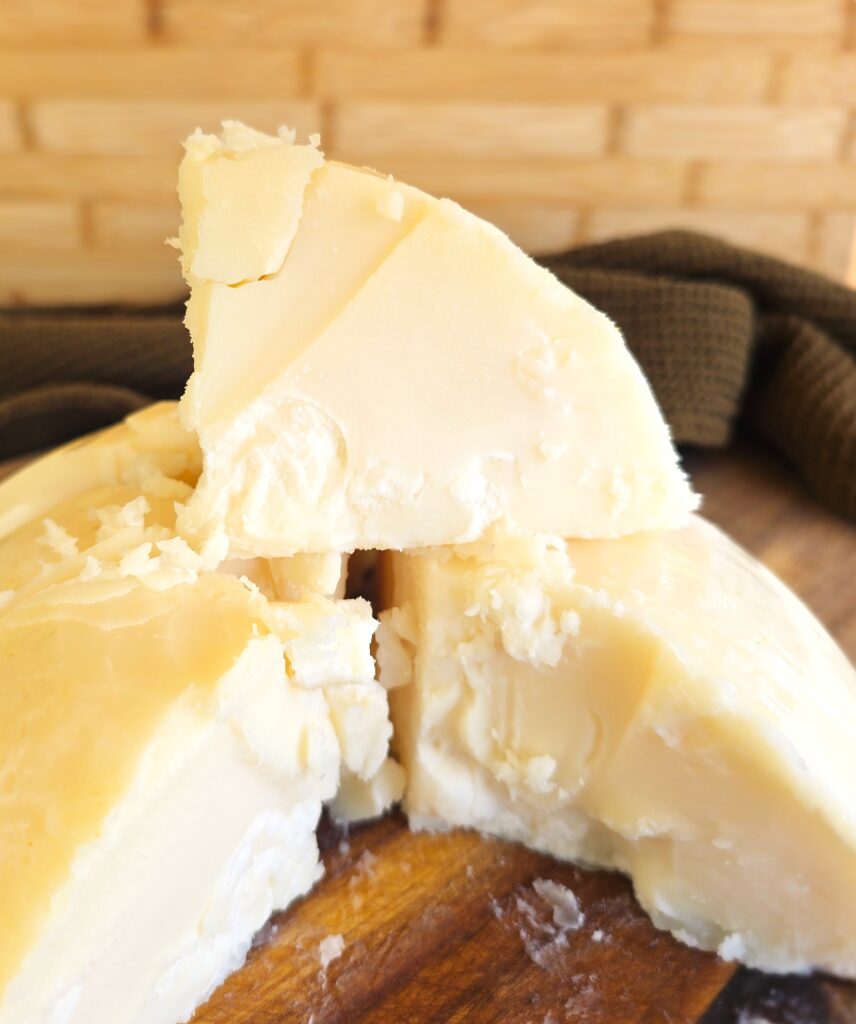
Grass-fed tallow has more antioxidants, omega-3 fatty acids, and a higher concentration of vitamins than grain-fed. It may also be slightly yellow or light orange in colour. This is because grass-fed tallow is higher in carotenoids, specifically, beta-carotene (the precursor to vitamin A), which is found in the grass the cows munched on. So, if the beef bones or trimmings you use are from grass-fed cows, your tallow will be even healthier!
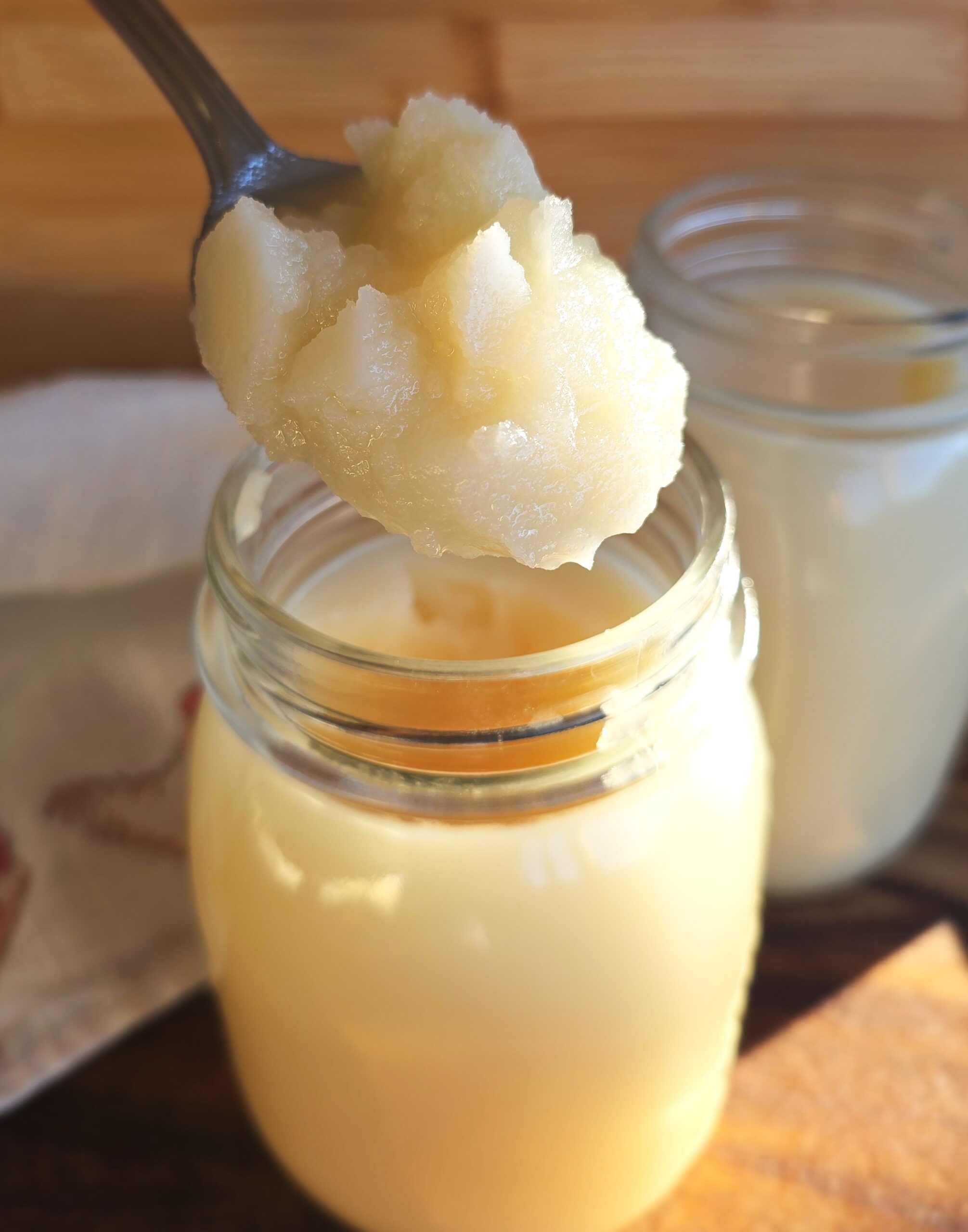
Is it Worth Making Your Own Tallow?
It's definitely worth learning how to render beef tallow, especially if you're a fan of nose-to-tail cooking like I am!
- Homemade Tallow is Cost Effective - Store-bought beef tallow can be quite expensive for a small jar. By contrast, butchers often sell raw fat trimmings, bones and offcuts for a fraction of the price. Better still, if you're skimming the fat from a batch of homemade beef bone broth, your tallow is basically free! (Tip: Befriend your local butcher! They are some of the friendliest people on the planet and will gladly save premium fat for you if you ask!)
- Nose-to-tail Eating - By rendering your own tallow through raw fat trimmings or skimming the fat from bone broth, you use up all parts of the animal. I personally find this is a beautiful way to respect the animal's life. It also ensures that nothing goes to waste. If you buy beef in bulk like I do, or make regular batches of bone broth, this is a great way to incorporate nose-to-tail eating.
- Rendering Tallow is Easy - Making your own tallow requires no special skills at all! The general process of making tallow involves melting the fat, then clarifying or purifying it by removing impurities, solids, or moisture. Learning how to render beef tallow is much simpler than you think!
Benefits of Beef Tallow
Beef tallow is a nutrient-dense traditional fat with a range of benefits in cooking and skincare. It's become much more popular in recent years! You'll often find tallow sold as a cooking fat, or as a skincare product such as moisturiser, lip balm, or sunscreen!
Benefits of Beef Tallow in Cooking
Tallow imparts the most delicious, savoury, slightly beefy flavour to whatever you are cooking. I always sear my steaks in tallow for a golden crust and richer flavour. Tallow also creates an unbeatable crispiness on roast potatoes and chips, and a depth of flavour that will make people ask what on earth you did to make them taste so good! Tallow can also be used in baking. Although lard is the classic, old-school fat used in flakey pastries and pie crusts, tallow is a great alternative for that beautifully tender, delicate crumb.
Benefits of Beef Tallow for Skin
Tallow can be used directly on skin. And no, you won't smell like a steak (although would that really be so bad?). Because beef tallow is nutrient-dense, using it topically increases the fatty acid concentration in skin. This helps your skin's natural protective barrier, leading to moisturised, hydrated skin. Using tallow on your skin can also help soothe certain skin conditions like psoriasis, dermatitis, dry skin, and wounds.
Although some people find that beef tallow products irritate their skin or clog pores (this is more likely if you are prone to acne or oily skin), many store-bought tallow-based skincare products contain essential oils, fragrances, or other ingredients which may irritate sensitive skin. I personally just use pure beef tallow, just as it is, and my skin loves it!
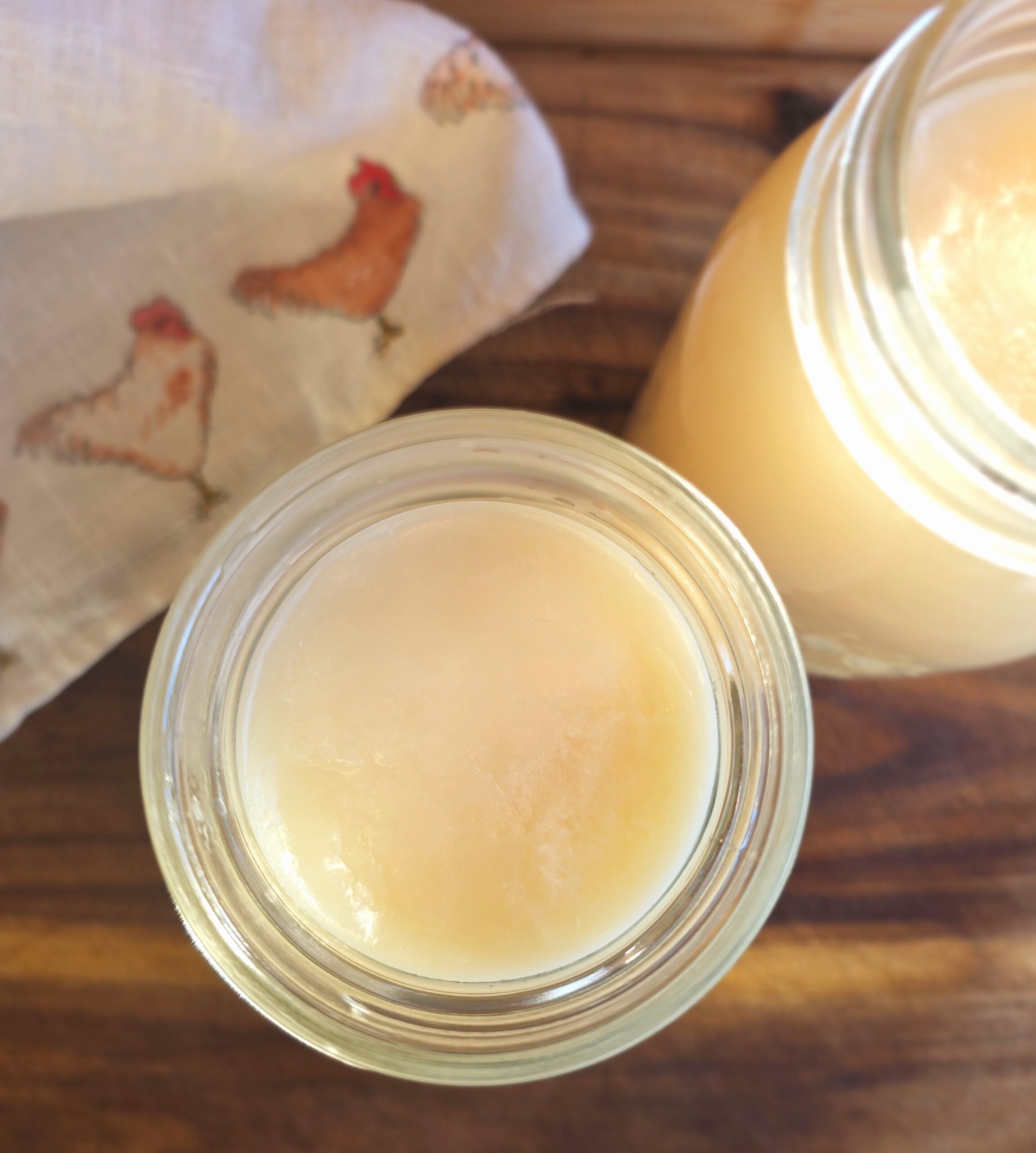
What Is The Best Method for Rendering Tallow?
The best method for rendering tallow depends on what you plan to use it for. The two methods are wet rendering (fat is rendered alongside water and salt), or dry rendering (melting raw beef fat and straining the solids).
Wet rendering results in a totally purified, odourless, perfectly white tallow. This is the gold standard for tallow used in skincare and baking because of its purity and lack of odour. The dry render method results in a tallow that may be slightly golden in colour, with a more beefy flavour and smell. This is the best option for searing, roasting, or general cooking purposes.
The method you choose for how to render beef tallow also depends on what ingredients you start with. If you are making a batch of beef bone broth, then the wet render method makes most sense. If you have raw beef fat trimmings or suet and want the simplest method, dry rendering makes most sense.
How to Render Beef Tallow From Bone Broth (Wet Render Method)
Here's my recipe for homemade beef bone broth. While some people like to let their bone broth set in the fridge then remove the solidified fat disc, I prefer to ladle the liquid fat off the top while the broth is still warm. It's less messy, and easier to scrape off sediment and impurities from small chunks of tallow. But follow your heart here. Either way, it's a simple, straightforward process to purify and clarify tallow!
1. Skim the Fat
Ladle the liquid fat out of your warm bone broth and place in a glass bowl. Stop when your ladle consistently picks up some bone broth. Let it solidify in the fridge. Place the bowl in the fridge until the fat fully solidifes into a tallow cake.
Tip: It's fine to leave some fat in your bone broth, since it helps preserve it!
2. Purify and Clarify Your Tallow
Pop the solid tallow cake out of the bowl. Use a spoon or butter knife to help release the edges, if needed. Scrape off any solids, impurities or bits of bone broth that have settled to the bottom.
Break the fat into chunks, and place into a saucepan on medium heat. Once melted, turn the heat to low. The tallow will start to sizzle and bubble. This is just redisual water evaporating. This step is necessary, since excess moisture will reduce the shelf life of your tallow and provide opportunities for it to become moldy or rancid.
Let it sizzle gently for about 10-15 minutes until the bubbles have disappeared.
Note: Do not walk away from the tallow while it's on the heat! Keep an eye on it, and if it begins to smoke, turn off the heat immediately.
3. Cool and Set the Tallow
Let the hot tallow cool, and pour it into a clean, heat-proof glass bowl. Place into the fridge to solidify into a white tallow cake.
4. Final Scrape and Store
Tip out your solid, white tallow cake. If there are remaining impurities or sediment settled at the bottom, scrape them off.
Note: At this point, you can repeat another round of clarifying and purifying the tallow, but I usually stick with one round. The more rounds you do, the whiter and more odourless your tallow will be.
To store, break the tallow cake into chunks, melt it gently over low heat, and pour into glass jars. Store at room temperature, or in the fridge if you prefer.
How to Render Beef Tallow From Beef Fat Trimmings or Suet (Dry Render Method)
1. Cut the Trimmings
With a sharp knife, cut your beef fat trimmings or suet into small pieces. The smaller the pieces, the faster and more evely they will render.
Tip: If you can get your butcher to run the beef fat trimmings or suet through a meat grinder, this will make the process much easier and faster!
2. Slowly Render the Beef Fat
Place the pieces into a large heavy-bottom pot, on low heat for anywhere from 4-8 hours. The total time it takes will depend on the amount of raw fat and how finely it's been cut. Do not let it get smoking hot - this should be a low and slow process. The fat will slowly render and you'll be left with small chunks of beef crackling. This is the most delicious little snack and you can eat it straight, sprinkled with a little salt! Once these small bits of beef crackling are nice and crispy, and all the fat has rendered, you know you're done.
3. Strain Out the Solids and Store
Allow the tallow to cool, then strain it through a fine sieve, cheesecloth, or paper towel to catch any tiny bits of sediment and impurities. Then store in glass jars and seal! Store at room temperature, or in the fridge if you prefer.
Best Ways to Use Homemade Beef Tallow
Beef tallow is a versatile, traditional fat that can be used for a wide range of purposes, including cooking, baking, skincare, candlemaking, soapmaking, even furniture care. Now that you know how to render beef tallow, here are some of my favourite ways to use it!
Cooking (Frying & Roasting)
- Searing Steaks (or any meat) - I use beef tallow anytime I sear meat, or cook a steak, to get a deep, caramelised, golden crust.
- Roast Potatoes - Using beef tallow for roast potatoes or chips makes for some of the crispiest, most delicious potatoes you'll ever have in your life.
- Sautéing and Sauces - Use a spoonful of beef tallow to sauté vegetables for a rich ragù, bolognese, stew, or soup.
Baking (Pastries)
- Pastries and Pies - Use beef tallow in place of lard or butter for a flakey, delicate crumb in pastries and pies.
Skincare
- Moisturiser - I keep a small jar of beef tallow by my nightstand, and use it as a moisturiser. No need to add anything, and no, you won't smell like a steak (although, that would be delicious)! Rub a tiny bit in between your fingers to melt it first. It spreads on easily, and leaves your skin feeling so soft!
- Whipped Tallow Balm - You can also whip room-temperature tallow for a light, fluffy, mousse-like consistency. This makes it very spreadable!
Around the Home & Homesteading
- Cast Iron Seasoning - I use a thin layer of beef tallow to season and maintain the non-stick coating on my cast-iron pans.
- Wood Conditioner - Rub a very thin layer onto dry wooden cutting boards or wooden spoons to hydrate and condition the wood.
- Traditional Crafts - Beef tallow can also be used for non-toxic, natural old-school soapmaking, as well as candlemaking, and leather care!
I truly hope you enjoy this recipe! If you tried it and loved it, I would be so grateful if you left a 5-star review and a comment to let me know how it went! xxx
Learn how to render beef tallow with this simple, step-by-step guide! I'll show you how to make tallow either by saving the fat from beef bone broth (wet render method), or by using beef fat trimmings or suet (dry render method). You'll end up with beef tallow that is pure, odourless, and can be used for cooking, baking, skincare, cast iron care, soapmaking and more!
- Reserved fat from bone broth, or beef fat trimmings/suet (Use fat from bone broth for wet render method, or use beef fat trimmings/suet for dry render method)
- 1 Ladle the liquid fat out of your warm bone broth and place in a glass bowl. Stop when your ladle consistently picks up some bone broth. Let it solidify in the fridge. You'll know when to stop ladling when your ladle consistently has bits of bone broth in it. Place the bowl in the fridge until the fat fully solidifes.Tip: It's fine to leave some fat in your bone broth, since it helps preserve it!
- 2 Pop the solid fat disc out of the bowl. Use a spoon or butter knife to help release the edges, if needed. Scrape off any solids, impurities or bits of bone broth that have settled to the bottom.
- 3
Break the fat into chunks, and place into a saucepan on medium heat. Once melted, turn the heat to low. The tallow will start to sizzle and bubble. This is just redisual trapped water evaporating. This step is necessary, since excess moisture will reduce the shelf life of your tallow and provide opportunities for it to become moldy or rancid.- 4
Let it sizzle gently for about 10-15 minutes until the bubbles have disappeared.Note: Do not walk away from the tallow while it's on the heat! Keep an eye on it, and if it begins to smoke, turn off the heat immediately.3. Cool and Set the Tallow- 5
Let the hot tallow cool, and pour it into a clean, heat-proof glass bowl. Place into the fridge to solidify into a white tallow cake.4. Final Scrape and Store- 6
Tip out your solid, white tallow cake. If there are remaining impurities or sediment settled at the bottom, scrape them off.Note: At this point, you can repeat another round of clarifying and purifying the tallow, but I usually stick with one round. The more rounds you do, the whiter and more odourless your tallow will be.- 7
To store, break the tallow cake into chunks, melt it gently over low heat, and pour into glass jars. Store at room temperature, or in the fridge if you prefer.Dry Render Method (From Beef Fat Trimmings/Suet)1. Cut the Trimmings- 8
With a sharp knife, cut your beef fat trimmings or suet into small pieces. The smaller the pieces, the faster and more evely they will render.Tip: If you can get your butcher to run the beef fat trimmings or suet through a meat grinder, this will make the process much easier and faster!2. Slowly Render the Beef Fat- 9
Place the pieces into a large heavy-bottom pot, on low heat for anywhere from 4-8 hours. The time it takes depends on the amount of raw fat and how finely it's been cut. Do not let it get smoking hot - this should be a low and slow process. The fat will slowly render and you will be left with small chunks of beef crackling. This is the most delicious little snack and you can eat it straight, sprinkled with a little salt! Once these small bits of beef crackling are nice and crispy, and all the fat has rendered, you know you're done.3. Strain Out the Solids and Store- 10
Allow the tallow to cool, then strain it through a fine sieve, cheesecloth, or paper towel to catch any tiny bits of sediment and impurities. Then store in glass jars and seal! Store at room temperature, or in the fridge if you prefer.render, beef, tallow, fat, trimmings, suet, clarify, purify, wet render, dry renderThank you for supporting NurtureNosh - I hope you love this recipe!
- 3